
The Wonder That Starts With One Look Up
We have all done it gone out on a dark night, looked up and stood little among that vast expanse of stars. It is right at that time of curiosity that the Astronomy 101 starts.
Astronomy is not all about the worlds and telescopes. It is a story of the way our universe was created, how it functions and what may be hiding beyond our actual perception. It is science and pure wonder.
You may have heard of such sites as Cafe Astrology or Astrology Cafe that discuss zodiac signs and birth charts. Those are part of the astrology belief system that explains the possible relationship between the celestial patterns and the human characteristics.
The science, however, of those very stars is astronomy. It does not speculate on what will happen tomorrow it tells you how the universe really functions.
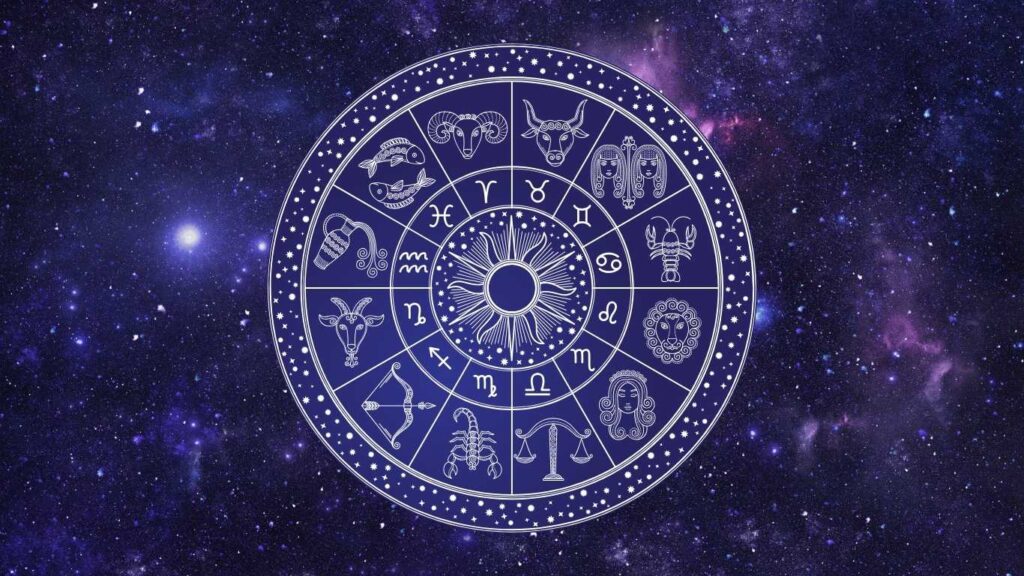
Astronomy vs. Astrology: Why People Get Them Mixed Up
| Astronomy | Astrology |
|---|---|
| Science that studies stars, planets, and galaxies | Belief system linking celestial movement to human personality |
| Uses data, physics, and math | Uses symbols and interpretations |
| Aims to understand how the universe functions | Focuses on self-reflection and guidance |
| Examples: NASA, Hubble Telescope | Examples: Cafe Astrology, Astrology Cafe |
Novices fall on Cafe Astrology birth chart sites as they search the space subjects on the Internet only to discover later on that what they actually want to know about is astronomy the science and not the symbolism.
Consider it in the following manner: astrology narrates about the stars. Their truth is revealed in astronomy.
The Basics of Astronomy 101
ABCs of the universe is astronomy 101. You do not have to be a curious scientist. Here’s what it covers:
1. Our Solar System
We live in a small neighborhood of space called the solar system. It includes:
- The Sun, our nearest star
- There are eight planets including Mercury, Venus, Earth, Mars, Jupiter, Saturn, Uranus and Neptune.
- There were dozens of moons, comets, meteors, and asteroids.
Each planet has its own story. An example of Mars is that the planet may have had water. The gas giant, Jupiter, helps to shield the earth against the hazardous space rocks. These little things demonstrate the way everything is interrelated.
2. Stars
Any star that you see is a gigantic ball of gas burning millions of miles apart. The Sun is not the only one of them (and not even the largest one).
Stars are born, live, and die. Others fall in to become neutron stars or black holes and others distribute their elements in space creating new stars and planets. Literally we are all composed of star dust.
3. Galaxies
The Milky Way belongs to the galaxy of more than 100 billion stars. It is a single galaxy of billions of galaxies suspended in an expanding universe. A lot of space to be mysterious.
Astronomers and Exploring the Universe.
The world of modern astronomy is based on technology and is initially driven by curiosity. This is how researchers and laymen discover the universe:
- The distant light is focused on telescopes. Saturn rings or moons of Jupiter can be seen in even a small one at home.
- Spectroscopes study the starlight in order to know which elements they contain.
- Space Probes like Voyager travel beyond our solar system, sending back information decades after launch.
- Space Probes as Voyager have gone outside our solar system, and they report back information many decades after they have been launched.
When you are new you do not need high-tech equipment. Get a stargazing app such as SkyView or Night Sky connecting what you see with what is really there is a painless way of doing it.
A brief History of the Origin of Astronomy.
Astronomy existed even before written language. Early human beings used the stars to indicate seasons and the direction to take.
Greeks traced constellations, Egyptians placed pyramids in correspondence to stars, and Indian astronomers centuries before the invention of the telescopes calculated the positions of planets.
Then came the big names:
- Copernicus stated that the Earth revolves around the Sun.
- Galileo, who raised his telescope and demonstrated it.
- Isaac Newton, the man of gravity, and motion.
Nowadays, space telescopes such as James Webb can help us travel even further back in time by observing the light of galaxies that were formed immediately after the Big Bang.
The Life of Stars and Planets
Stars Are Born in Clouds
Stars start with huge gases and dust nebulae. The material gets heated as it gets pulled together due to the affect of gravity and ultimately bursts into fire resulting into a star.
Planets Take Shape
Remnants of dust and rocks around the new stars start clumping together. In millions of years, these clumps form planets. That is how our solar system was formed.
Exoplanets: New Worlds
Thousands of exoplanets planets are found to orbit other stars. Others may even be in the right conditions to live.
How You Can Start Stargazing
You don’t need to be a professional astronomer to enjoy the night sky. Here’s how anyone can begin:
- Find a dark spot. Get away from city lights even your backyard works if the sky’s clear.
- Look for easy constellations. Orion, the Big Dipper, and Cassiopeia are perfect starting points.
- Use your phone. Apps can point out planets and stars instantly.
- Get binoculars. You’ll see craters on the Moon or Jupiter’s moons easily.
- Join a local group. Astronomy clubs often host viewing nights for beginners.
Maybe your first step is in the field of astrology if you have been wondering about your birth chart at one of their Astrology Cafe birth charts or Cafe Astrology natal chart so be a trigger to the true science. It is even more interesting to know the way those planets move in comparison with what all those things supposedly mean.
Why Astrology is Still Loved by People (And How It Relates to Astronomy).
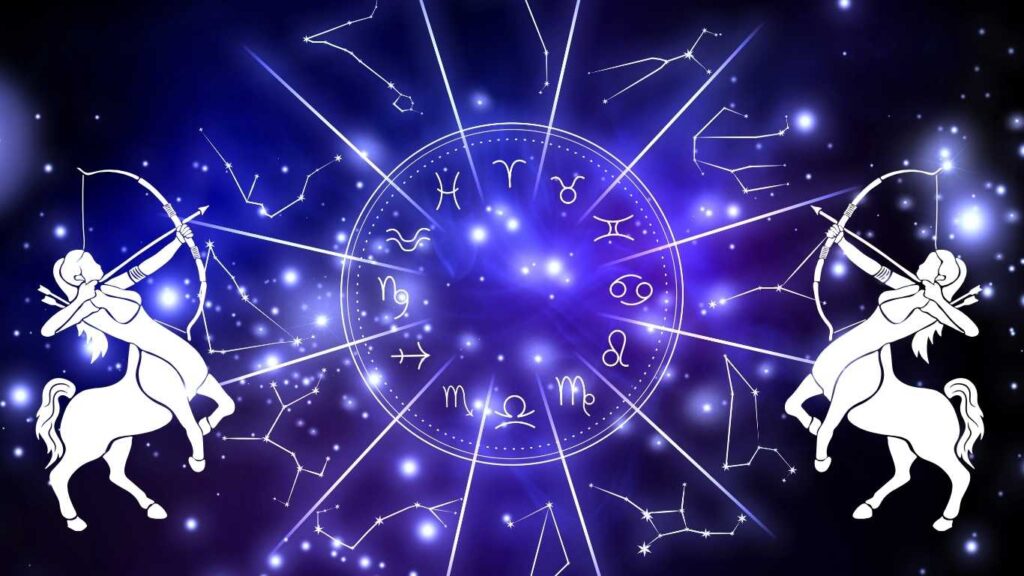
Astrology has its charm. It assists individuals to consider personality, relations and feelings. One can have fun visiting Cafe Astrology or Astrology Cafe to get a daily horoscope.
However, as soon as you understand that the stars and planets also have their laws that are not destined to the stars, you begin to view the night sky in a new way.
Astronomy can educate you that there is a true story behind every planet, every light in the sky. You are not reading about it you are watching it.
The Future of Astronomy
The coming ten years are going to transform our perception of space. Here’s what’s coming:
- The James Webb Space Telescope has been showing galaxies of the early years of the universe.
- The Artemis Program in NASA is gearing towards the human being revisiting the Moon.
- Other privately owned companies such as SpaceX are in a race to explore Mars.
- Scientists are employing AI to identify the exoplanets and even potential life.
With every discovery is the realisation of how small the earth is but how special too.
Why Astronomy 101 Still Matters
Astronomy is not being simply scientific. It’s about perspective. It helps us remember that the world is only a small ocean among a big ocean of stars and we are fortunate to be able to travel to it.
Thus, the next time you are reading your horoscope on Cafe Astrology or are staring at the Milky Way using a telescope, keep in mind: the same stars have the secrets of the universe.
And in case it is your soul that astrology is addressing, astronomy is addressing your mind. They both demonstrate how much human beings are bound to the universe.
Final Takeaway
Astronomy 101 is not just a subject it is a journey. It begins with curiosity and culminates into awe. You know that all stars have a narration and we belong to that universe story.
The universe is not just there because it exists in us as well. All the atoms in your body were once a star that has blasted up. That’s not poetry it’s science.
And that’s what makes astronomy so magical.
-
Lactose Free Cheese: The Complete Guide to Enjoying Cheese Without the Discomfort

Introduction: Can Lactose-Intolerant People Eat Cheese? If you have ever had to skip the cheese board at a dinner party or regretted that extra slice of pizza, you already know the frustrating reality of lactose intolerance. Bloating, cramping, and digestive discomfort can turn a simple pleasure into a painful experience. But here is the good…
-
Best Golf Balls for High Handicappers in 2026: The Buying Guide for Beginners and Average Golfers

Quick answer: If you’re a high handicapper, beginner, or average golfer, the best golf ball for your game is a low-compression, two- or three-piece ball with a forgiving core and a durable ionomer (or hybrid) cover — not a premium tour ball. Standout picks for 2026 include the Callaway Supersoft for pure forgiveness, the Vice…
-
Typing.com Review: Is It Really the Best Free Way to Learn Touch Typing in 2026?
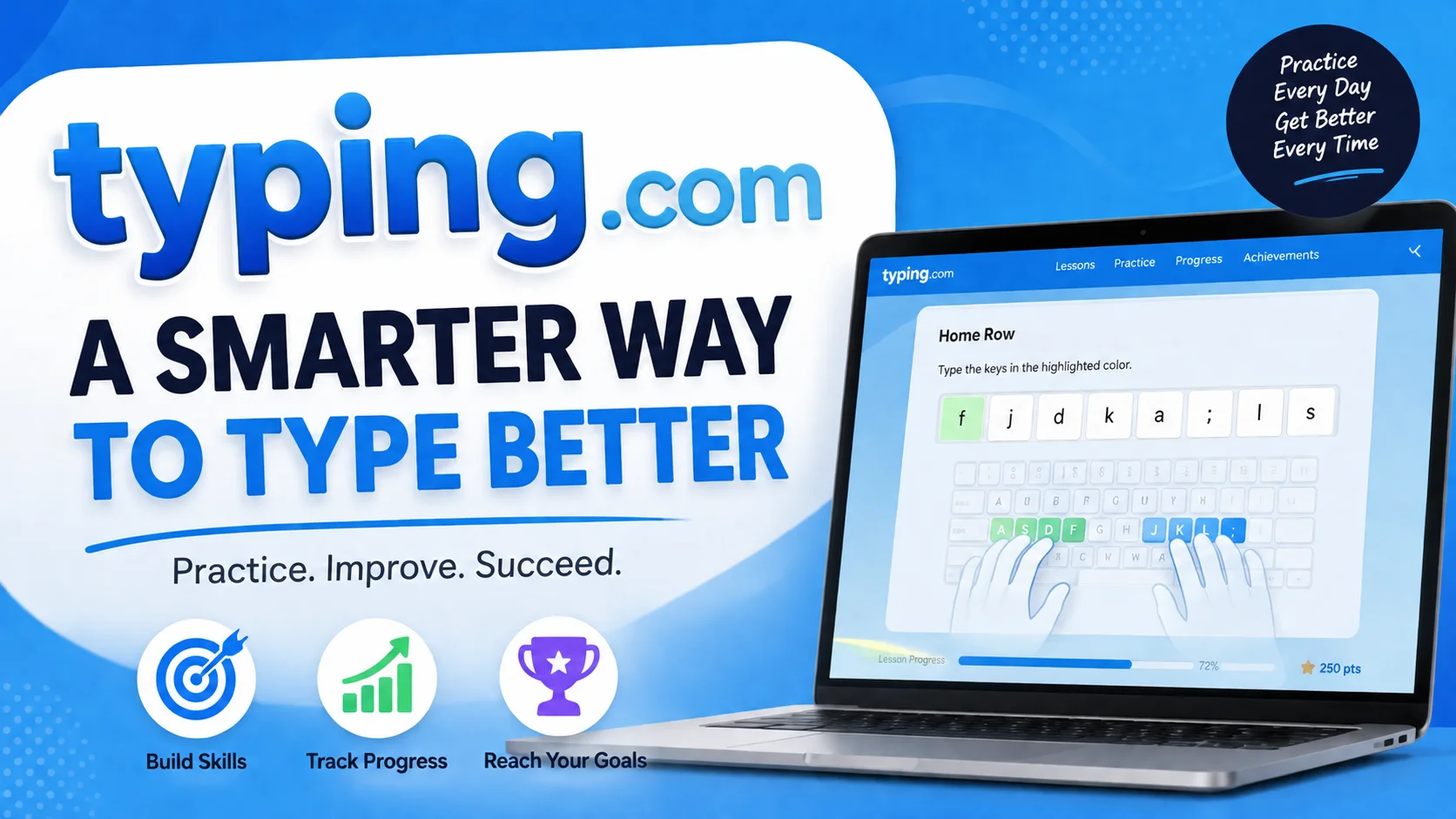
Typing.com is a completely free, browser-based typing tutor built for students, teachers, and self-learners who want to master touch typing without paying a subscription fee. It combines structured lessons, typing games, coding-based practice, and a full teacher dashboard, making it one of the most widely used keyboarding platforms in K-12 schools today. If you want…